Illuminating Health: The Versatile World of Photodynamic Therapy Machines
March 30, 2026The Effectiveness of Multi-Color Photodynamic Therapy (PDT) Machines in Modern Medical Practice
January 05,2026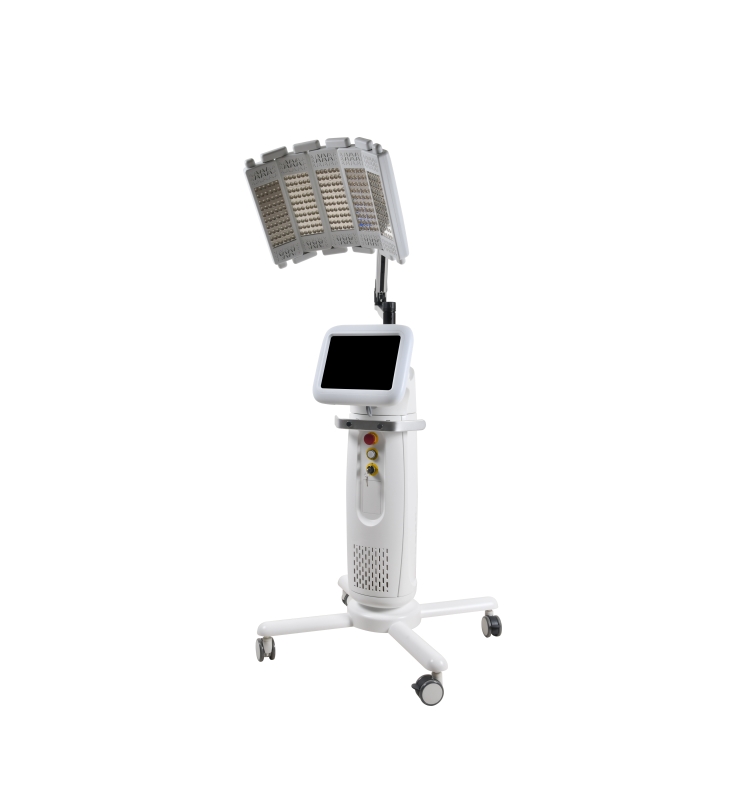
Photodynamic therapy (PDT) has emerged as a groundbreaking treatment modality, combining light energy with photosensitizing agents to selectively target diseased cells. Traditional PDT systems often rely on single-wavelength light sources, but advancements in technology have led to the development of multi-color PDT machines. These devices integrate five distinct wavelengths—red, infrared, blue, green, and yellow—to enhance treatment precision and efficacy. This article explores the effectiveness of these multi-color PDT machines, highlighting their applications, advantages, and potential challenges in clinical settings.
How Multi-Color PDT Works
PDT involves three key steps: administration of a photosensitizing agent, its selective accumulation in target tissues, and activation by specific light wavelengths. Multi-color PDT machines utilize five wavelengths to optimize this process:
- Red Light (630–700 nm): Penetrates deeper into tissues, ideal for treating internal tumors or large lesions. It activates photosensitizers like Photofrin, targeting cancer cells while sparing healthy tissue.
- Infrared Light (700–1000 nm): Offers greater tissue penetration, useful for deep-seated tumors or thick skin conditions. It minimizes surface damage and enhances treatment reach.
- Blue Light (400–490 nm): Effective for superficial skin conditions like actinic keratosis or acne. It activates porphyrins in bacteria, making it a potent tool for dermatological applications.
- Green Light (490–570 nm): Balances penetration and absorption, suitable for intermediate-depth treatments. It can complement other wavelengths in multi-modal therapy.
- Yellow Light (570–590 nm): Often used in conjunction with red light for enhanced targeting of vascular lesions or pigmented skin conditions.
The multi-color approach allows clinicians to tailor treatments based on lesion depth, size, and type, improving outcomes while reducing side effects.

Clinical Applications and Effectiveness
- Oncology: Multi-color PDT is highly effective in treating skin cancers (basal cell carcinoma, squamous cell carcinoma) and precancerous lesions. Studies show that combining red and infrared light achieves higher complete response rates than single-wavelength PDT, with minimal scarring. For internal cancers, such as esophageal or lung tumors, infrared light enables deeper penetration, improving survival rates in early-stage patients.
- Dermatology: In acne treatment, blue light activates bacterial porphyrins, reducing inflammation and lesions. Green light addresses pigmentation issues like melasma, while yellow light enhances vascular targeting in rosacea. Multi-color PDT offers a comprehensive solution for complex skin conditions.
- Ophthalmology: For age-related macular degeneration, red light PDT helps preserve vision by targeting abnormal blood vessels. The multi-color system allows precise adjustments to light intensity and duration, minimizing retinal damage.
- Wound Healing: Infrared light promotes tissue regeneration by stimulating cellular activity. Combined with red light, it accelerates healing in chronic wounds, reducing infection risks and improving patient comfort.
Advantages over Traditional PDT
- Customizable Treatment: Clinicians can select wavelengths based on patient needs, enhancing specificity and reducing collateral damage.
- Enhanced Penetration: Infrared light reaches deeper tissues, expanding PDT’s applicability to internal cancers and thick skin lesions.
- Versatility: A single device can treat multiple conditions, from oncology to dermatology, streamlining clinic workflows.
- Minimized Side Effects: The targeted approach reduces skin irritation, pain, and downtime compared to conventional therapies.
Challenges and Considerations
- Cost: Multi-color PDT machines are more expensive than single-wavelength devices, posing financial barriers for some clinics.
- Training Requirements: Clinicians must understand wavelength selection and dosage to avoid over- or under-treatment.
- Patient-Specific Factors: Skin type, lesion depth, and photosensitizer choice influence outcomes, necessitating personalized protocols.
Future Directions
Research is ongoing to optimize multi-color PDT protocols. Advances in photosensitizer development, such as nanoparticles that selectively accumulate in tumors, could further enhance efficacy. Additionally, AI-driven treatment planning may help clinicians select optimal wavelengths and dosages based on patient data.
Conclusion
Multi-color PDT machines represent a significant leap forward in photodynamic therapy. By integrating five wavelengths, these devices offer unparalleled precision, versatility, and effectiveness across oncology, dermatology, and wound care. While challenges like cost and training remain, the benefits—including improved outcomes, reduced side effects, and expanded treatment options—make them a transformative tool in modern medicine. As technology evolves, multi-color PDT is poised to become a cornerstone of targeted, patient-centered therapy.