Magnetic Chair Machine: The 2026 Buyer’s Guide for Clinics & Distributors
September 21, 2026Magnetic Chair Machine: The 2026 Buyer’s Guide for Clinics & Distributors
September 21, 2026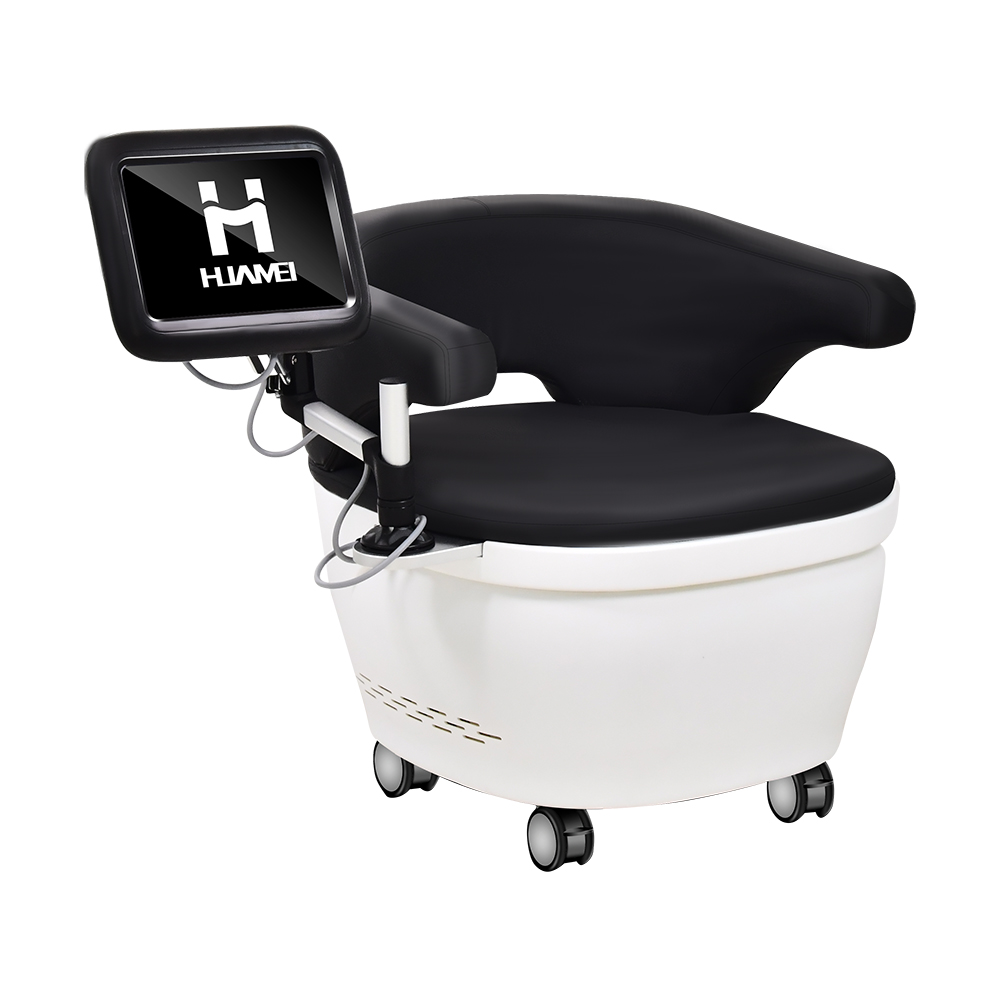
Pelvic floor therapy has become one of the fastest-growing segments in non-invasive aesthetics — and the magnetic chair machine sits at the centre of it. If you are a clinic owner adding a new revenue line, or a distributor looking for a category that is still under-served in most markets, this guide covers what the technology actually does, what to check before you order, and how to compare suppliers.
Looking for the business case first? Read our separate article on why the EMS pelvic chair is a revenue driver for clinics. This guide focuses on how to buy well.
What a magnetic chair machine actually is
A magnetic chair machine (also called an EMS magnetic chair or HIFEM pelvic floor chair) uses High-Intensity Focused Electromagnetic technology. The chair generates focused electromagnetic pulses that pass through clothing and skin and reach the pelvic floor musculature, triggering supramaximal contractions — contractions far stronger than a patient can achieve voluntarily with Kegel exercises.
The treatment experience is the selling point:
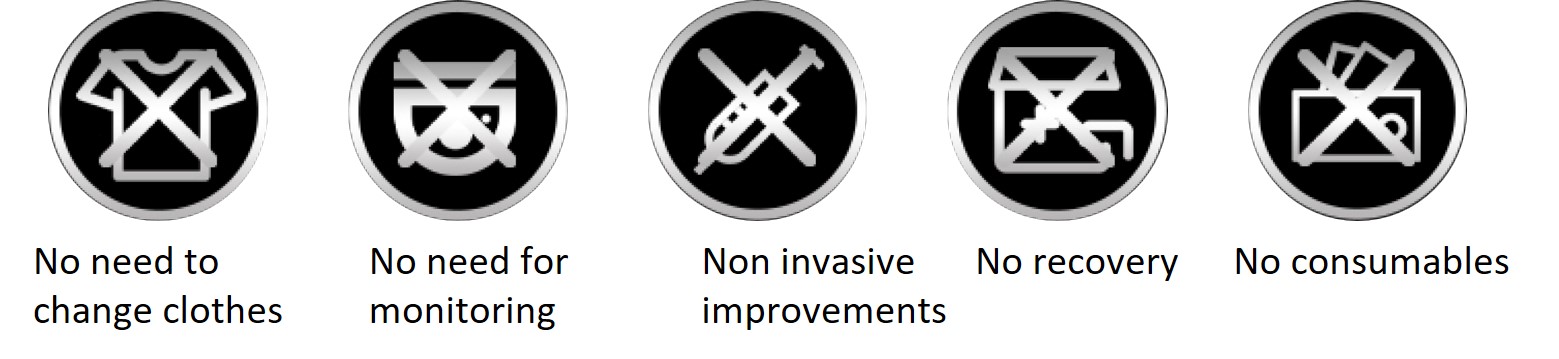
- The patient sits fully clothed — no undressing, no probes, no gel
- Sessions run about 30 minutes, hands-free
- No anaesthesia and no downtime — clients return to daily life immediately
- One chair can serve 12–16 patients per day, which is what makes the business model work
For the person buying the machine, the practical takeaway is simple: this is a device that converts an awkward, under-served clinical need into a comfortable, repeatable salon- or clinic-friendly service.
Two very different buyers, two different checklists
If you are a clinic, salon or post-natal care centre, your priorities are: patient comfort, protocols your staff can learn quickly, marketing material to fill the calendar, and reliability — one broken chair means lost bookings.
If you are a distributor, your priorities are different: certification documents that clear customs, a supplier who can support you technically, exclusive or semi-exclusive branding, spare-parts availability, and a margin structure that survives local pricing pressure.
Most buying mistakes happen when the two are mixed up — clinics buy on price alone, distributors buy without checking whether the supplier can actually support them locally. Keep your own list.
Magnetic chair vs other pelvic floor options
| Option | Patient effort | Invasiveness | Typical compliance | Notes |
|---|---|---|---|---|
| Kegel exercises | High | None | Poor | Free, but most patients quit |
| Biofeedback / EMS probes | Medium | Internal probe | Moderate | Requires undressing, staff time |
| Surgery | Low | Surgical | N/A | High cost, recovery time, risk |
| Magnetic chair (HIFEM) | None | None | High | Seated, clothed, 30 min, scalable |
The chair wins on the two things that decide whether a treatment programme actually gets used: patient compliance and staff workload.
The 8-point checklist before you order
- Energy delivery and coil design — ask for the actual field strength and how the coil is cooled. Continuous operation matters if you run back-to-back sessions.
- Treatment modes and protocols — does the machine ship with a protocol library covering post-natal, menopausal, men’s health and general wellness?
- Positioning and comfort — seat shape and leg support decide whether clients come back for session two.
- Certification for the exact model — never accept a general “CE / FDA” statement. Ask for the certificate for the model you are buying, with its reference number, and make sure it matches the unit and the shipping documents. Your customs broker will ask for the same thing.
- Warranty and spare parts — what is covered, for how long, and can parts be shipped locally? Look for a stated lifetime technical-support policy rather than verbal promises.
- Training and clinical support — remote or on-site training, manuals in your language, and a contact who answers after the sale.
- Marketing kit — before/after material, editable posters, treatment menu templates. Clinics under-rate this; it is often what shortens the payback period most.
- Software and firmware updates — free for the life of the machine, or a recurring licence?
The numbers that matter (for planning, not promises)
Use your own local pricing to model this, but the arithmetic clinic owners typically run looks like this:
- 12–16 sessions per working day is achievable with one chair and one operator
- At a typical local session price, a full day of bookings recovers a meaningful share of the machine’s monthly cost
- Most operators report payback within 3–6 months at steady booking levels
The variable that decides your actual payback is not the machine price — it is how full your calendar is, which is why supplier marketing support belongs on the checklist above.
If you are a distributor: questions worth asking a factory
- Can the machine be OEM/ODM branded (colour, logo, interface language, model name, packaging), and is the design exclusive to our market?
- What is the MOQ per model, and the realistic production lead time for a repeat order?
- Which certification documents ship with the units, and who handles documentation for our market’s regulator?
- What is the spare-parts list and pricing from year two onwards?
- Is there a distributor price ladder with volume tiers, and what protection exists if the factory sells direct into our territory?
- Can we get a demo unit or loaner for exhibitions and KOL clinics?
A supplier who answers all six clearly — and in writing — is a supplier you can build a territory with.
Frequently asked questions
Is a magnetic chair machine the same as an EMS body-sculpting machine?
No. EMS body-sculpting devices (such as our EMS Sculpt system) target abdominal and limb muscles for toning and fat reduction. The magnetic chair is designed for the pelvic floor — a different clinical indication, a different protocol, and usually a different buyer inside the clinic.
Is the treatment safe and non-invasive?
Yes — it is non-invasive, drug-free and requires no recovery period, with patients fully clothed throughout. As with any device, follow the manufacturer’s contraindication list (for example, pregnancy and implanted electronic devices).
How many sessions does a client need?
Protocols vary by indication, but courses are typically sold as packages rather than single sessions — which is also why recurring revenue is a feature of this category.
Can the chair be used for male clients?
Yes. Pelvic floor therapy is also relevant for men, including post-prostate-surgery recovery, which widens the addressable market well beyond post-natal care.
We are a distributor — can we buy for resale?
Yes. We supply clinics directly and distributors or agents under OEM and ODM arrangements. Tell us your market and expected volume and we will send the wholesale and distributor price list.
What do you need from us to quote?
Your country, your business type (clinic, salon or distributor), expected quantity, and whether you need OEM branding. That is usually enough for a same-day quotation.
Next step
If you are evaluating a magnetic chair machine for a clinic, a salon chain or a distribution business, send us your requirements and we will come back with specifications, certification documents and pricing for your market.
- Product page: EMS pelvic-floor muscle therapy Chair
- Distributor & OEM programme: Become a Huamei Beauty Global Partner
- Get a quote: Contact us — or message us on WhatsApp for a same-day reply.
HuaMei is a manufacturer of medical aesthetic and beauty equipment, supplying clinics and distributors in 200+ countries and regions. CE certified, with FDA 510(k) clearances on key lines, and OEM/ODM programmes for partners.