One Article to Understand Picosecond Pigment Removal — and Avoid 90% of the Pitfalls
October 12, 2026EMS Pelvic Chair Machine: The Non-Invasive Revenue Driver Your Clinic or Salon Is Missing
July 22, 2026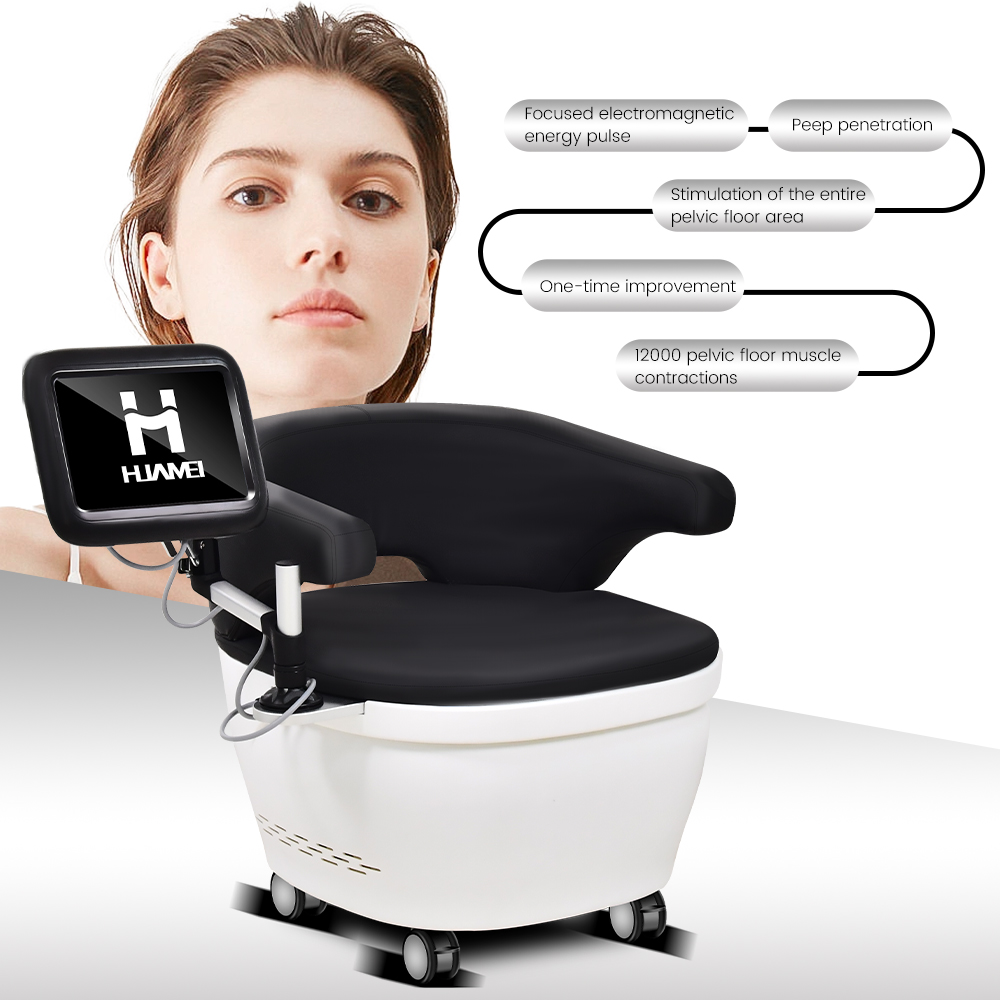
In the rapidly expanding market for non-invasive body contouring and wellness treatments, one category is outpacing nearly all others: pelvic floor rehabilitation and intimate wellness. For beauty salons, medical aesthetic clinics, and equipment distributors, the EMS Pelvic Chair Machine represents a high-margin, high-demand treatment that addresses an underserved market with a non-invasive, drug-free solution.
This article explains why the EMS Pelvic Chair is fast becoming a must-have device for clinics aiming to differentiate, attract new clients, and build recurring revenue.
The Untapped Market Opportunity
Pelvic floor disorders affect an estimated one in three women worldwide, spanning age groups from postpartum mothers to menopausal women and even men recovering from prostate surgery. Traditional treatment options — Kegel exercises, biofeedback therapy, or invasive surgery — suffer from poor patient compliance, inconsistent results, or high costs and recovery time.
The gap between demand and accessible treatment is enormous. Most women simply do not seek help because the available options feel either ineffective or intimidating. This is where the EMS Pelvic Chair changes the equation: it offers a seated, hands-free, fully clothed treatment that requires zero effort from the patient and delivers measurable results in as little as a single session.
How the Technology Works
At the core of the EMS Pelvic Chair is High-Intensity Focused Electromagnetic (HIFEM) technology. The chair emits focused electromagnetic energy pulses that penetrate deep into the pelvic floor musculature, triggering supramaximal contractions — contractions far stronger than what a patient can achieve voluntarily.
Key performance metrics that matter to clinic owners and distributors:
- 12,000 pelvic floor muscle contractions are induced in a single 30-minute session. For context, a disciplined patient performing Kegel exercises daily might manage 100–200 voluntary contractions. The chair delivers what amounts to months of effort in half an hour.
- Deep penetration ensures stimulation of the entire pelvic floor area, not just superficial muscles. This comprehensive activation leads to improved muscle tone, better bladder control, and enhanced core stability.
- One-time improvement is frequently reported — patients often notice tangible differences after their very first session. This immediate feedback loop drives high satisfaction and word-of-mouth referrals.
Why Clinics and Salons Are Investing Now
1. Non-Invasive, No Downtime
Unlike surgical interventions, the EMS Pelvic Chair treatment requires no anaesthesia, no recovery period, and no special preparation. Patients sit comfortably, fully clothed, for approximately 30 minutes and can immediately return to daily activities. This convenience dramatically expands the addressable patient pool.
2. High Throughput, High ROI
A single device can treat 12–16 patients per day. At an average session price of 150–300 (depending on the market), a clinic can generate substantial monthly revenue from one chair. Most practitioners report recovering their equipment investment within three to six months.
3. Diverse Indications, Broader Client Base
The EMS Pelvic Chair is indicated for:
- Stress urinary incontinence
- Postpartum pelvic floor recovery
- Sexual wellness and improved intimate sensation
- Pelvic organ prolapse support (non-surgical)
- Core muscle strengthening
- Male pelvic health (post-prostatectomy rehabilitation)
This breadth of applications means a single device can serve multiple treatment pathways — women’s health, post-natal care, men’s health, and general wellness — each attracting different client segments through the same door.
4. Differentiation in a Crowded Market
The aesthetic and wellness industry is saturated with skin-tightening, fat-reduction, and facial rejuvenation devices. Pelvic floor technology, by contrast, remains relatively scarce in most regions. Being an early adopter positions a clinic as a local leader in a high-growth niche with significantly less competition.
What to Look for in an EMS Pelvic Chair
For distributors and clinic purchasers evaluating devices, consider these factors:
- Energy output and penetration depth: The chair must deliver sufficient electromagnetic intensity to stimulate deep pelvic floor muscles — not just surface-level contractions.
- Build quality and ergonomics: Patients will be seated for extended periods. The chair should offer comfortable contouring, stable construction, and quiet operation.
- Brand reputation and after-sales support: Choose a manufacturer with a proven track record, responsive technical support, and readily available spare parts.
- Regulatory compliance: Verify certifications relevant to your target market