Understanding Intimate Ultherapy: Layered Anti-Aging & Analysis of the Benefits of Non-Surgical Intimate Care
October 26, 2026Understanding Intimate Ultherapy: Layered Anti-Aging & Analysis of the Benefits of Non-Surgical Intimate Care
October 26, 2026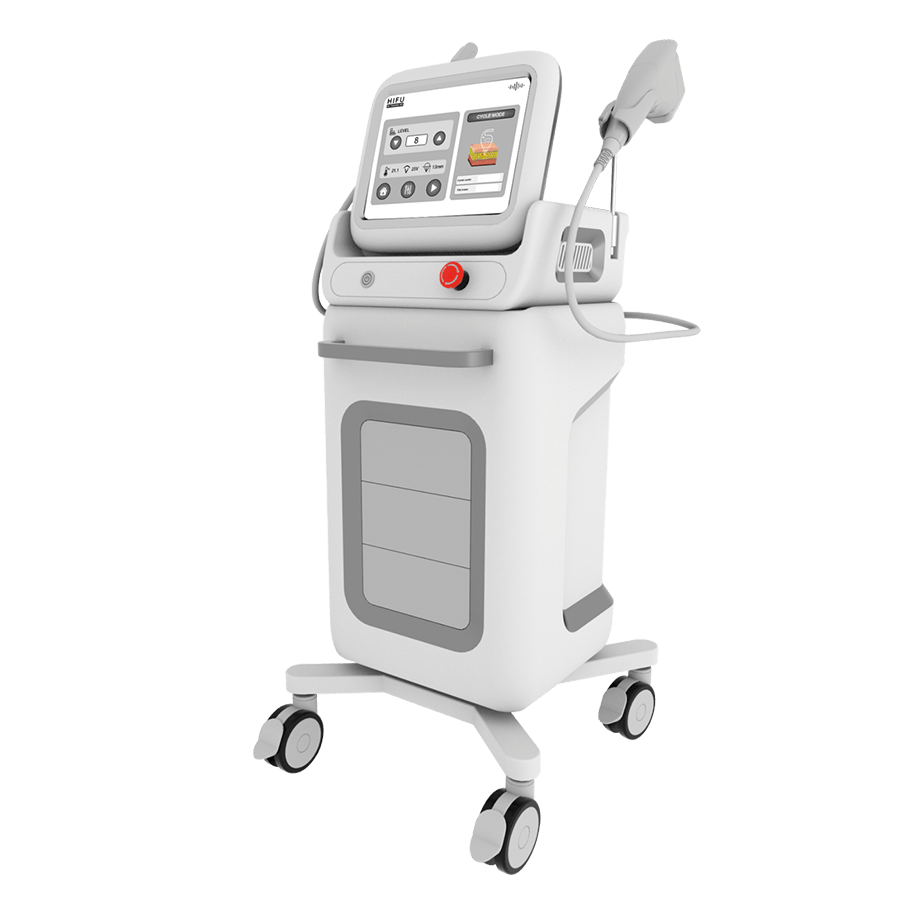
Female intimate tissues may suffer from a host of concerns including fascial laxity, reduced elasticity and dryness as a result of childbirth, aging and hormonal shifts. Conventional surgical approaches carry substantial trauma and an extended recovery period, which discourages many women. As a focused ultrasound-based care device, intimate Ultherapy stands out as a popular non-surgical intimate treatment thanks to its layered-action technology.
What Is Intimate Ultherapy?
Intimate Ultherapy adopts High-Intensity Focused Ultrasound (HIFU) technology and is equipped with two transducers: a 3.0 mm superficial probe and a 4.5 mm deep probe. The ultrasound passes through the mucosal surface and concentrates thermal energy precisely at targeted tissue layers without injuring the surface mucosa. The thermal effect triggers immediate contraction of native collagen and stimulates regeneration and remodeling of collagen and elastin proteins, delivering layered care spanning the superficial mucosa down to the deep fascial layer.
Core Advantages of Intimate Ultherapy
1. Layered action for both superficial hydration and deep fascial tightening
The dual-probe design targets tissues at different depths:
– The 4.5 mm probe reaches the deep SMAS fascial layer to lift and tighten loose pelvic floor fascia.
– The 3.0 mm probe works on the mucosal fibrous layer to improve mucosal condition and boost local elasticity and lubrication.
Unlike treatments that only act on the surface, it addresses deep structural support alongside superficial mucosal maintenance, improving multiple concerns in one session.
2. Energy penetrates the mucosa with no surface wounds, lowering infection risks
Ultrasound energy travels through the surface and focuses on subcutaneous target tissue, leaving no broken wounds on the vaginal mucosa.
When performed properly with protective sheaths fitted on the probe, no open wounds are created, eliminating infection risks associated with lesions. There is no lengthy wound-healing phase, and the treatment is walk-in walk-out.
3. Automated rotary dotting for uniform energy delivery
The device features automatic rotary emission. The probe operates in a 350° circular pattern to cover the inner, middle and outer segments of the vagina, avoiding missed spots and uneven energy distribution. Rotation angle and total shot count can be adjusted according to individual anatomy to accommodate different vaginal depths and ensure stable energy delivery across all areas. The whole procedure takes roughly 30–40 minutes with high efficiency.
4. Relatively comfortable experience; topical anesthesia is usually unnecessary
With properly calibrated settings, most patients only experience mild warmth, and topical numbing cream is not required for the majority. Compared with treatments that cause sharp stinging, it is more approachable and suitable for women sensitive to pain. Power levels can be adjusted in real time during treatment based on the patient’s sensation to balance efficacy and comfort.
5. Graded outcomes combining immediate tightening and long-term collagen renewal
Mild tightening can be felt right after the session. Over the following 2–3 months, the body continuously produces new collagen for further improvement. After a full course of treatment, results can last 2–3 years. Maintenance touch-ups can be scheduled as needed, without frequent repeated sessions.
Ideal Candidates
It is suitable for sexually active women experiencing intimate laxity, diminished elasticity, dryness or reduced sensitivity caused by childbirth or aging, who prefer non-surgical care.
Note: This is a cosmetic care treatment rather than a medical surgery. Severe pelvic organ prolapse and other organic lesions require formal medical intervention and cannot be resolved solely by this device.
Important Disclaimer: Benefits Do Not Mean It Is Suitable for Everyone
Favorable outcomes depend on proper patient screening, correct parameter settings, standardized operation and adequate aftercare.
This treatment is contraindicated for pregnant women, breastfeeding women, those during menstruation, patients with active vaginitis, vaginal lacerations, and women who have not had sexual intercourse.
Strictly follow post-procedure restrictions: no sexual intercourse, tub baths or hot spring soaks for one month to allow sufficient time for subcutaneous tissue repair.
Closing Remarks
Female intimate care should always prioritize health. No single treatment works for everyone; suitability to your physical condition matters most. A thorough pre-treatment assessment to rule out contraindications is mandatory before receiving the procedure.