One Article to Understand Picosecond Pigment Removal — and Avoid 90% of the Pitfalls
October 12, 2026One Article to Understand Picosecond Pigment Removal — and Avoid 90% of the Pitfalls
October 12, 2026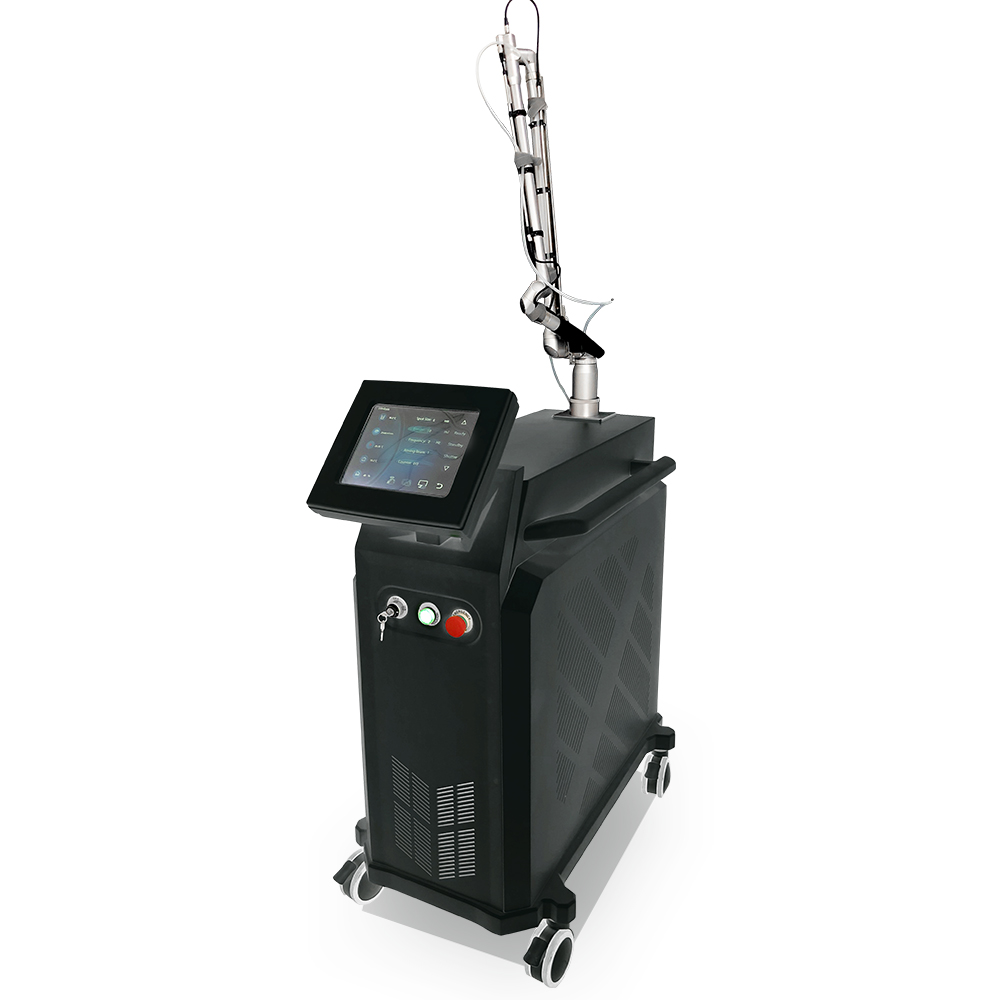
Many people want picosecond laser treatment for spots, but can’t tell picosecond apart from ordinary lasers. They worry about post-inflammatory hyperpigmentation (PIH) and fear the skin being thinned. Today, let’s get it all straight in one go.
1. What Exactly Is the Difference Between Picosecond and Ordinary Lasers?
A picosecond is a unit of time — one trillionth of a second.
Picosecond lasers have an extremely short pulse duration, releasing energy in an instant. The principle is to shatter melanin particles; the finely fragmented pigment is then metabolized and cleared by the body itself.
Traditional Q-switched lasers rely on thermal effects to “burn” the pigment. The heat spreads to the surrounding normal skin, causing a larger damage area, a longer recovery period, and a higher risk of PIH.
Picosecond lasers have minimal heat diffusion, so damage to surrounding healthy skin is lower. Two common types are available on the market:
- 755nm picosecond: Stronger targeting of melanin; suitable for epidermal spots.
- Ultra-picosecond (PicoWay-style dual-wavelength): Equipped with dual 1064nm and 532nm wavelengths, providing broader penetration — it can treat both superficial and deep pigment, with wider applicability and a relatively shorter recovery period.
2. Which Spots Can Picosecond Improve? Not Every Spot Is Suitable
- Freckles and sun spots (superficial epidermal spots): Results are quite favorable; most people see obvious lightening after 1–2 sessions.
- Nevus of Ota and Hori’s nevus / acquired bilateral nevus of Ota-like macules (deep dermal spots): The pigment sits deep and requires multiple treatments, typically 3–7 sessions, with adequate intervals to let the skin repair. Tattoo removal is also a picosecond strength.
- Melasma requires extra caution: Melasma is inherently unstable. Blindly stimulating it with laser can easily provoke worsening pigmentation. During the active phase, prioritize stabilization and controlling inflammation first; only after evaluation should low-energy intervention be considered. Do not hit it with aggressive settings directly.
3. These Groups Should Hold Off on Picosecond for Now
- Pregnant and breastfeeding women
- People with recent sun exposure who have visibly darkened skin
- Active facial acne with redness/swelling, or dermatitis that is currently flaring up
- Photosensitive individuals, or those currently taking photosensitizing medication
- People with coagulation disorders or immunodeficiencies
- People with a keloid-prone (scarring) constitution — decide only after professional evaluation
4. Everyone’s Biggest Concern: Will My Skin Definitely Darken After Picosecond?
There is a chance it may occur — this is a very common post-procedure reaction in light/energy-based treatments, medically known as post-inflammatory hyperpigmentation (PIH).
Simply put: after laser treatment, the skin develops temporary inflammation, melanocytes are activated and produce more melanin, and the local area darkens. This does not mean the treatment failed — it is a normal fluctuation within the skin’s repair process.
For most people, PIH gradually metabolizes and fades within 1–3 months; for those with slower metabolism, it may take up to six months.
Two core triggers for aggravated PIH: inadequate post-procedure sun protection and treatment energy set too high.
5. Post-Procedure Care Directly Determines the Final Result
After treatment, the skin barrier is in a fragile state — do not slack off on care:
- Days 0–3: Redness and mild swelling are normal; cool compresses can soothe the skin. Cleanse only with gentle cool water and stop washing with hot water. Pause all acids, retinol, and potent whitening products.
- Days 3–7: Mild peeling may occur. Any crusts must be allowed to fall off naturally — never pick at them. Focus on basic moisturizing, using only simple, repair-focused products.
Sun protection is the top priority! After treatment, the skin’s sensitivity to UV increases dramatically. Inadequate sun protection easily leads to PIH — making the treatment pointless. Prioritize physical protection: masks, wide-brimmed hats, umbrellas. Choose SPF 50+ sunscreen, apply generously, and reapply every 2–3 hours outdoors.
Within one week, avoid: steam rooms, saunas, hot springs, and intense heavy sweating.
Dietary restrictions: avoid spicy/irritating foods, seafood, lamb and other “fa wu” (inflammation-aggravating) foods; pause smoking and alcohol.
6. Four Common Misconceptions — Don’t Fall Into These Traps
Misconception 1: Picosecond will thin the skin No. With appropriate parameters and proper technique, picosecond can actually stimulate new collagen production, making the skin structure healthier. If the skin feels sensitive afterward, it is usually due to excessive energy or improper post-procedure care.
Misconception 2: One session can completely clear all spots Superficial freckles and sun spots show obvious results in 1–2 sessions. Deep nevus of Ota and Hori’s nevus require multiple treatments, with at least 4–6 weeks between sessions to allow sufficient skin repair. Melasma is more complex and requires long-term management — you cannot aim for a one-time cure.
Misconception 3: After treatment, spots will never come back Spots are produced by the combined effects of UV exposure, hormones, and aging. Picosecond can only remove pigment that already exists. If you fail to maintain long-term sun protection afterward, new spots will still form.
Misconception 4: More pain means better results Picosecond is about matching the appropriate energy level, not cranking it up. If you feel sharp, explosive stinging during the procedure, the energy is likely too high, and the risk of subsequent PIH and skin sensitivity rises significantly.
Final Takeaway
Picosecond is just a tool for improving pigment issues — not magic. Whether you can undergo it, how many sessions you need, and what parameters to use all require an in-person consultation to assess your spot types and skin condition before deciding on a treatment plan.