One Article to Understand Picosecond Pigment Removal — and Avoid 90% of the Pitfalls
October 12, 2026The Effectiveness of EMS Pelvic Chair Machines: A Scientific and Practical Analysis
February 25, 2026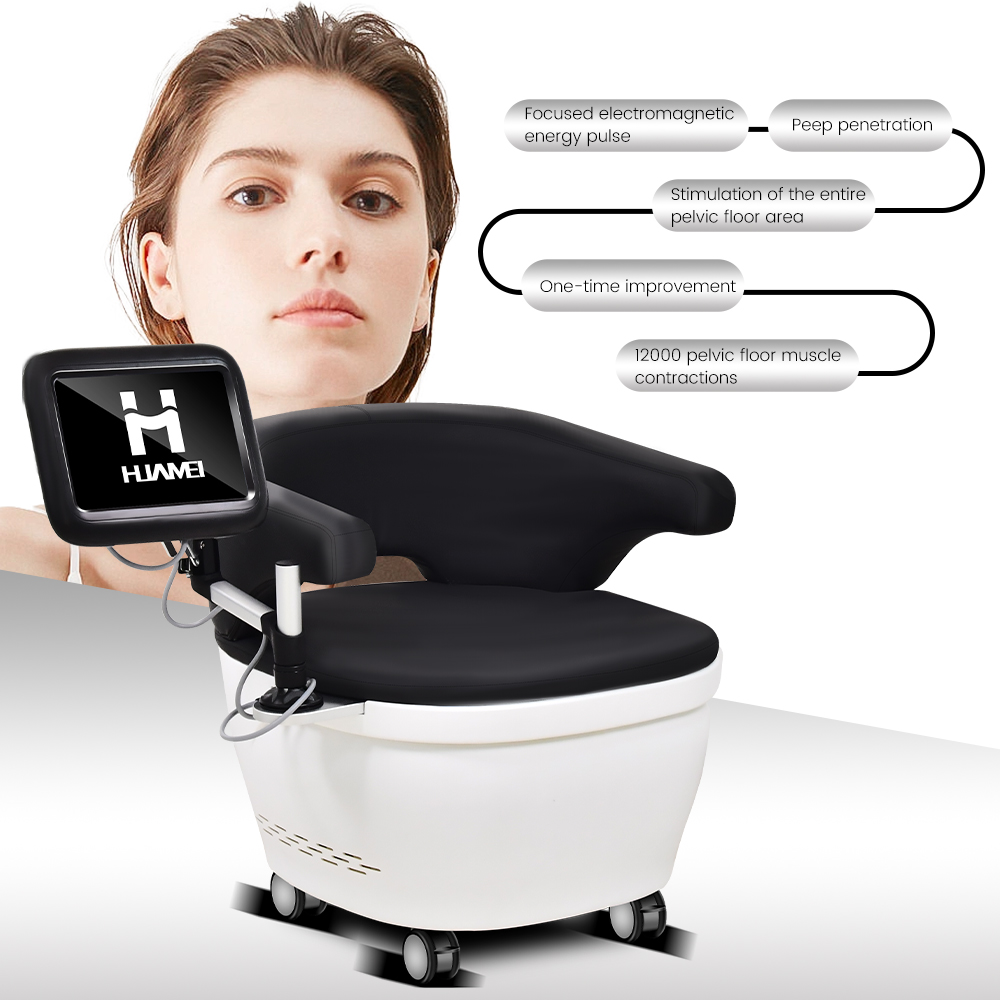
In the quest for non-invasive solutions to pelvic floor dysfunction and urinary incontinence, EMS (Electrical Muscle Stimulation) pelvic chair machines have emerged as a promising alternative. These devices leverage advanced technology to deliver targeted stimulation to the pelvic floor muscles, offering a painless and efficient method for muscle toning and functional improvement. This article explores the effectiveness of EMS pelvic chair machines, examining their technological foundations, clinical benefits, and real-world applications.
How EMS Pelvic Chair Machines Work
EMS pelvic chair machines operate on the principle of electrical muscle stimulation, a technique that has been refined over decades. These devices typically feature a chair-like design with built-in electrodes that deliver low-frequency electrical impulses to the pelvic floor muscles. The stimulation mimics natural nerve signals, causing the muscles to contract and relax in a controlled manner. This process helps to strengthen the pelvic floor, improve blood flow, and enhance neuromuscular control.
The effectiveness of these machines is rooted in their ability to provide precise and adjustable stimulation. Unlike traditional methods, which may rely on manual exercises or invasive procedures, EMS pelvic chairs offer a customizable experience. Users can adjust the intensity, frequency, and duration of the stimulation to suit their individual needs, ensuring optimal results without the risk of overtraining or injury.
Clinical Evidence Supporting Effectiveness
Numerous clinical studies have demonstrated the efficacy of EMS pelvic chair machines in treating pelvic floor dysfunction. Research has shown that regular use of these devices can lead to significant improvements in muscle strength, bladder control, and overall quality of life. For instance, a study published in the Journal of Urology found that patients who used an EMS pelvic chair for 12 weeks experienced a 40% reduction in urinary incontinence episodes and a 30% improvement in pelvic floor muscle tone.
Moreover, the non-invasive nature of EMS pelvic chairs makes them an attractive option for patients who may be hesitant to undergo surgery or other invasive treatments. The devices are generally well-tolerated, with minimal side effects reported. This has contributed to their growing popularity among both healthcare providers and patients.
Real-World Applications and User Experiences
Beyond the clinical setting, EMS pelvic chair machines have found widespread use in home environments. Many users appreciate the convenience and privacy of being able to perform pelvic floor exercises at home, without the need for frequent visits to a healthcare facility. The machines are designed with user-friendly interfaces, making them easy to operate even for those without prior experience.
User testimonials often highlight the positive impact of EMS pelvic chairs on their daily lives. Many report reduced discomfort, improved confidence, and a greater sense of control over their bodily functions. Additionally, the long-term durability and safety of these devices, as evidenced by their construction from corrosion-resistant materials and adherence to CE certification standards, provide users with peace of mind.