One Article to Understand Picosecond Pigment Removal — and Avoid 90% of the Pitfalls
October 12, 2026EMS Pelvic Chair Machine: A Revolutionary Solution for Urinary Incontinence through Pelvic Floor Muscle Enhancement
December 24, 2025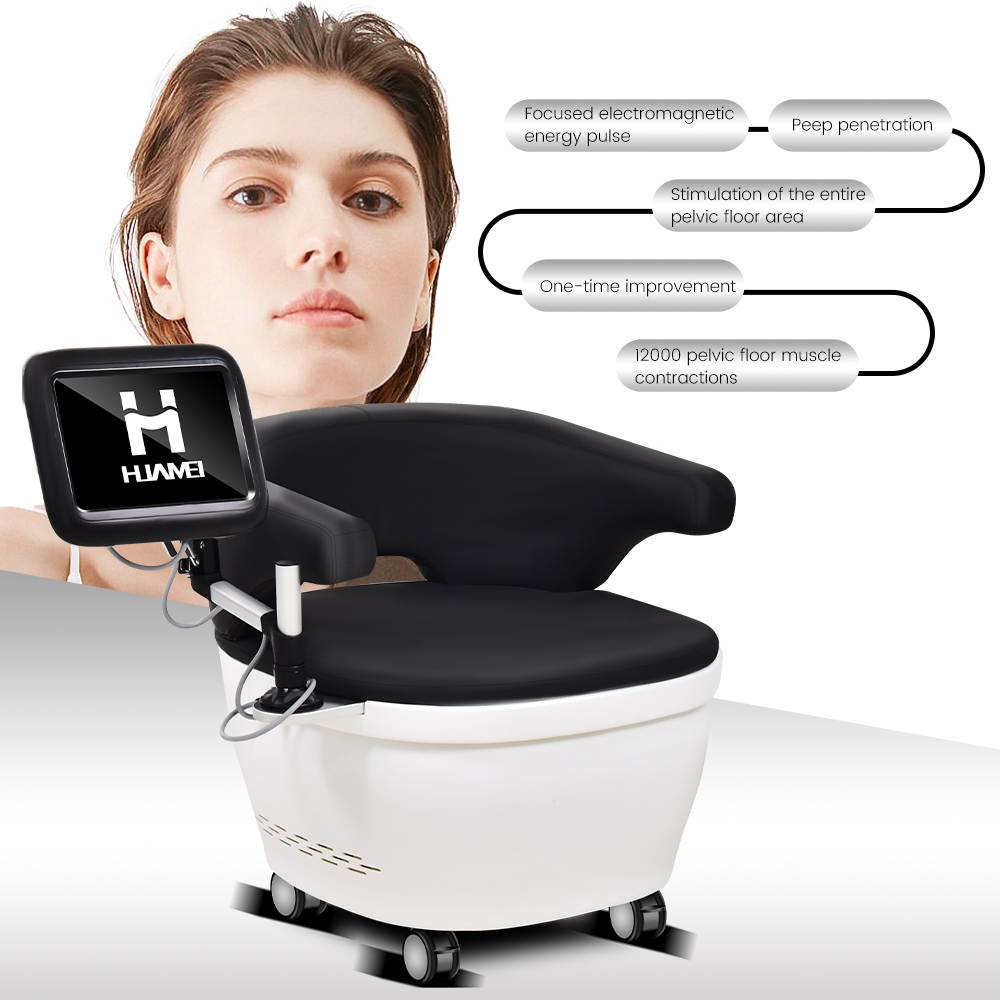
Urinary incontinence, a prevalent condition affecting millions worldwide, significantly impacts quality of life, particularly among women post-childbirth and aging individuals. Traditional treatments like pelvic floor muscle training (PFMT) or Kegel exercises have been cornerstone interventions, but adherence and effectiveness vary widely. Enter the EMS Pelvic Chair Machine—a cutting-edge device that leverages electromagnetic muscle stimulation (EMS) to non-invasively strengthen pelvic floor muscles, offering a promising alternative for managing urinary incontinence. This article explores the technology, benefits, and clinical relevance of EMS pelvic chairs in addressing this common health issue.
Understanding Urinary Incontinence and Pelvic Floor Dysfunction
Urinary incontinence arises from weakened or damaged pelvic floor muscles, which support the bladder, uterus, and rectum. Stress urinary incontinence (SUI), characterized by leakage during physical exertion, is especially common in women due to factors like childbirth, menopause, or aging. While PFMT exercises are widely recommended, many individuals struggle with correct technique or consistency, leading to suboptimal outcomes. This gap underscores the need for innovative solutions that enhance muscle engagement without relying solely on patient effort.
How EMS Pelvic Chair Machines Work
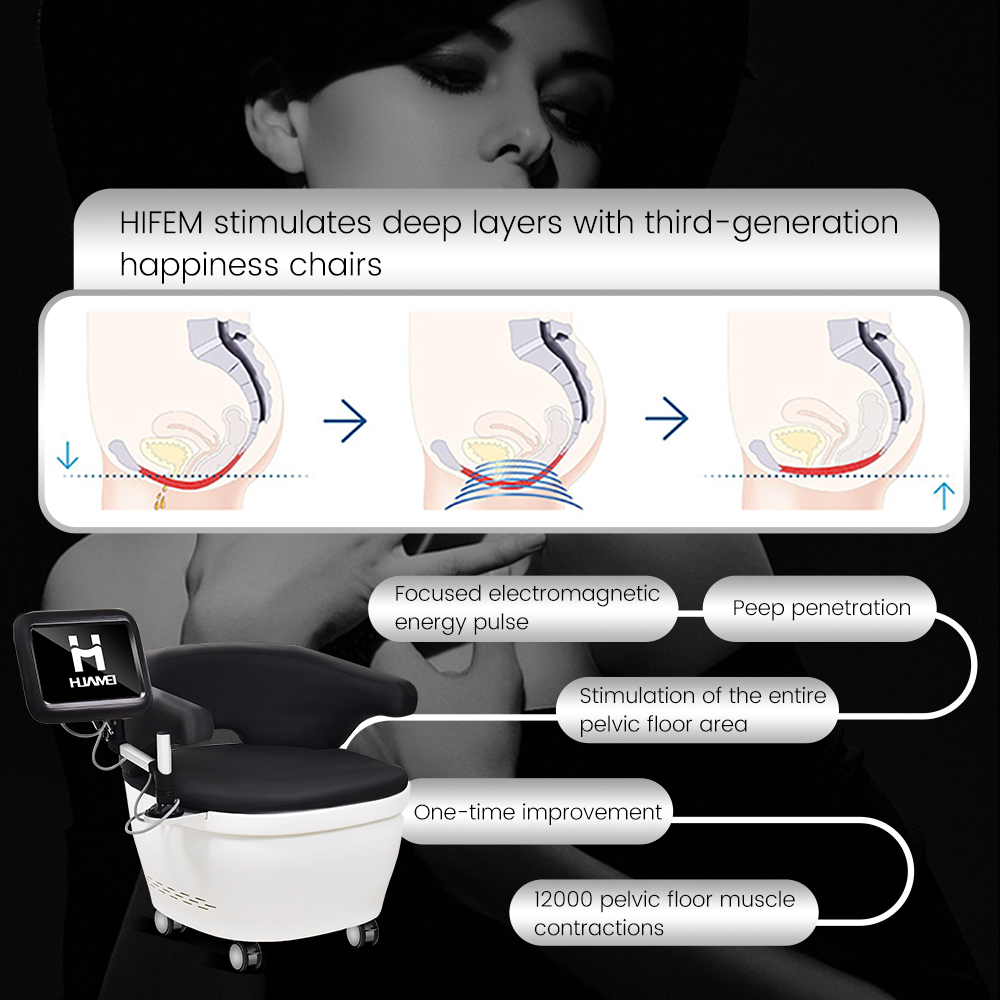
EMS pelvic chairs utilize focused electromagnetic energy to induce supramaximal contractions in pelvic floor muscles. Unlike surface-level stimulation, this technology penetrates deeply, targeting muscles with precision. During a session, the chair emits electromagnetic pulses that trigger involuntary muscle contractions, mimicking the intensity of thousands of Kegel exercises in a short time. For instance, a 30-minute session can equate to over 12,000 muscle activations, far exceeding what most individuals achieve through manual training. The process is non-invasive, with users simply sitting on the chair while the device delivers controlled energy pulses to the pelvic region.
Key features of advanced EMS chairs include:
- Customizable Settings: Adjustable intensity and frequency modes allow tailored treatment based on individual needs, enhancing comfort and efficacy.
- Comprehensive Coverage: The technology simultaneously stimulates multiple pelvic floor areas, including the bladder, urethral sphincter, and surrounding tissues.
- Safety and Comfort: Designed with user-friendly interfaces, these chairs often include air cooling systems to prevent overheating during prolonged use.
Benefits of EMS Pelvic Chairs for Urinary Incontinence
- Enhanced Muscle Strength: EMS chairs provide consistent, high-intensity contractions that effectively rebuild pelvic floor muscle tone, reducing leakage episodes. Clinical studies suggest that regular use can significantly improve continence in individuals with SUI.
- Time Efficiency: Compared to traditional exercises, EMS sessions offer rapid results. Users report noticeable improvements in muscle control after just a few sessions, making it ideal for busy lifestyles.
- Non-Invasive Approach: Unlike surgical interventions, EMS therapy avoids risks associated with anesthesia or incisions, appealing to those seeking conservative treatments.
- Versatility for Diverse Populations: Beyond women, these chairs benefit men with prostate-related issues and individuals with mobility limitations who may find manual exercises challenging.
Real-World Applications and Patient Experiences
EMS pelvic chairs are increasingly integrated into clinical settings, including physiotherapy clinics and postpartum care centers. Anecdotal evidence highlights their transformative impact; for example, many users describe restored confidence and reduced reliance on absorbent products after consistent use. Clinicians emphasize the role of EMS chairs as adjuncts to PFMT, particularly for patients who struggle with exercise adherence.
Considerations and Future Directions
While EMS chairs show promise, they are not standalone cure-alls. Optimal outcomes often require combined approaches, including lifestyle modifications and occasional medical oversight. Additionally, accessibility remains a challenge due to cost and availability in some regions. Future innovations may focus on portable designs and AI-driven customization to broaden reach.
Conclusion
The EMS Pelvic Chair Machine represents a paradigm shift in managing urinary incontinence by harnessing electromagnetic technology to revitalize pelvic floor muscles. By offering a safe, efficient, and patient-friendly alternative to traditional methods, these devices empower individuals to reclaim control over their bladder health. As research advances and awareness grows, EMS chairs are poised to become a cornerstone in preventive and therapeutic care for pelvic floor disorders, heralding a new era of non-invasive wellness solutions.