Illuminating Health: The Versatile World of Photodynamic Therapy Machines
March 30, 2026Illuminating Health: The Versatile World of Photodynamic Therapy Machines
March 30,2026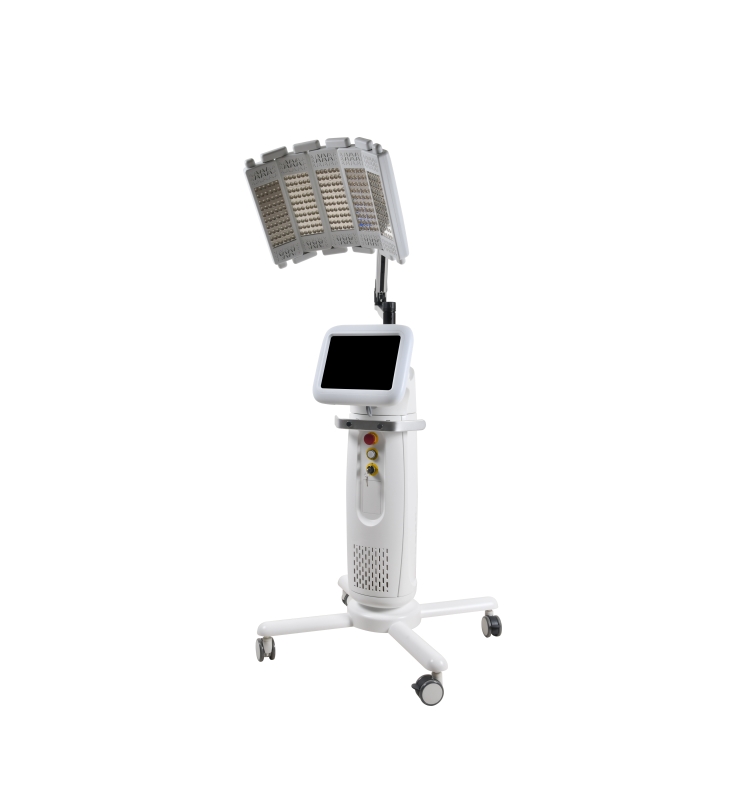
In recent years, photodynamic therapy (PDT) machines have emerged as transformative tools in both medical and aesthetic fields, harnessing the power of light to treat a wide array of conditions with minimal invasiveness. These devices combine light-sensitive photosensitizing agents with specific wavelengths of light to trigger targeted biological reactions, offering patients effective alternatives to traditional treatments like surgery or chemotherapy.
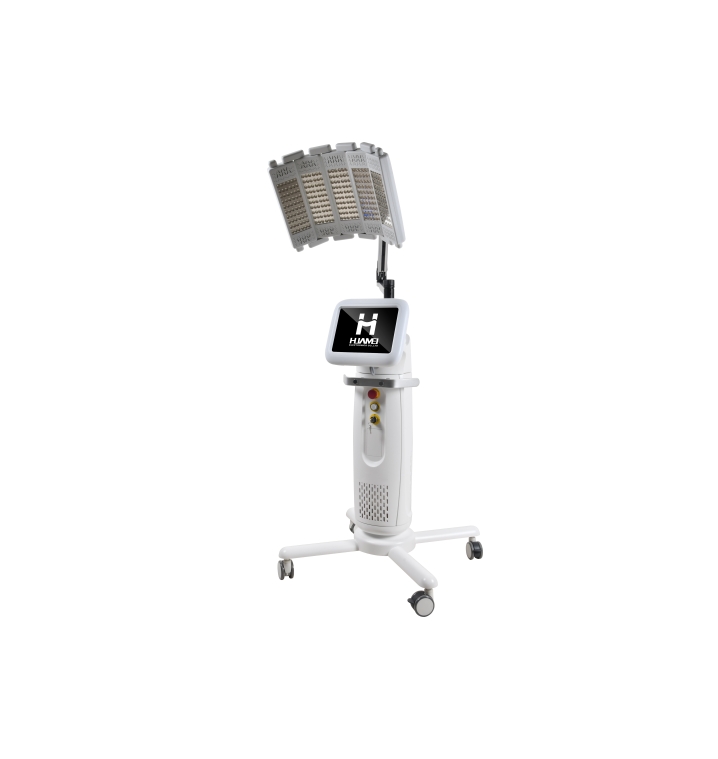
At their core, PDT machines operate on a simple yet sophisticated principle: after a photosensitizing drug is applied topically, injected, or taken orally, it accumulates in targeted cells. The machine then emits light of a precise wavelength, activating the drug to produce reactive oxygen species that destroy abnormal cells or stimulate cellular repair. This targeted approach minimizes damage to healthy tissue, a key advantage over many conventional therapies.
In medical settings, PDT machines have become indispensable for treating various skin conditions and even certain cancers. For non-melanoma skin cancers and precancerous lesions like actinic keratosis, PDT offers a non-surgical option with high success rates and minimal scarring. The therapy works by selectively destroying cancerous cells, leaving surrounding healthy tissue intact. Beyond oncology, PDT machines are widely used to manage chronic skin conditions such as acne and psoriasis. For acne treatment, blue light wavelengths (typically around 417nm) activate endogenous porphyrins in acne-causing bacteria, generating toxic singlet oxygen that eliminates Propionibacterium acnes and reduces inflammation. This approach provides a gentle yet effective solution for patients who struggle with persistent acne or experience side effects from topical medications.
The aesthetic industry has also embraced PDT machines for their skin-rejuvenating properties. Red light wavelengths (around 633nm) stimulate collagen production, promoting cell growth and enhancing the skin’s elasticity. This makes red light PDT a popular choice for reducing fine lines, wrinkles, and improving overall skin texture. Yellow light (approximately 590nm) targets blood circulation, reducing redness and promoting a more even skin tone, making it ideal for patients with rosacea or sun-damaged skin. These non-invasive treatments require no downtime, allowing patients to resume daily activities immediately after sessions.
Advancements in technology have led to the development of portable PDT machines, expanding access to this innovative therapy. Compact, user-friendly devices now enable at-home treatments for maintenance purposes, though professional supervision is still recommended for initial sessions to ensure proper technique and safety. Portable units are particularly beneficial for patients with chronic conditions who require regular treatments, offering convenience without compromising on efficacy.
Despite their many benefits, PDT machines are not without limitations. The treatment depth is restricted by the penetration of light through tissue, making them less suitable for deep-seated tumors. Additionally, some patients may experience side effects such as temporary redness, swelling, or increased sensitivity to sunlight. However, these effects are generally mild and short-lived compared to the side effects of more aggressive treatments.
As research continues to advance, the potential applications of PDT machines are expanding. Scientists are exploring new photosensitizing agents and light delivery systems to improve treatment depth and efficacy, opening doors for treating a broader range of conditions, including internal cancers and neurological disorders. The integration of artificial intelligence may also enhance personalized treatment plans, allowing machines to adjust light wavelengths and intensities based on individual patient needs.
In conclusion, PDT machines represent a remarkable fusion of light technology and medical science, offering safe, effective, and minimally invasive treatments for a diverse range of conditions. From treating skin cancers to rejuvenating aging skin, these devices have transformed patient care by prioritizing precision and comfort. As technology evolves, PDT machines are poised to play an even more significant role in the future of medicine, illuminating new paths to health and wellness.