Illuminating Health: The Versatile World of Photodynamic Therapy Machines
March 30, 2026Erasing Time: The Power of 1470nm Fractional Laser in Wrinkle Removal
March 11,2026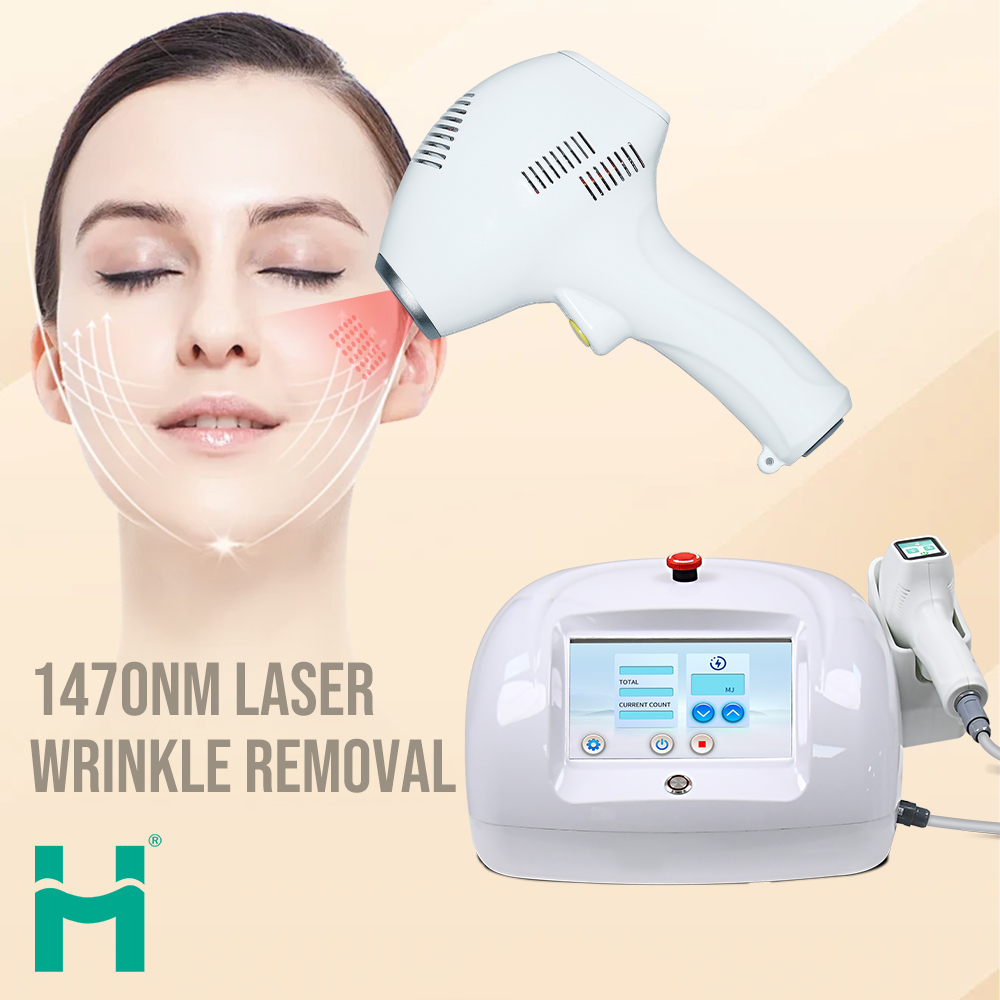
As the pursuit of youthful skin remains a timeless desire, the aesthetic industry continues to innovate, introducing technologies that blend efficacy with minimal downtime. Among these, the 1470nm fractional laser has emerged as a standout solution for wrinkle removal, offering a precise and versatile approach to reversing the signs of aging. Unlike traditional lasers that often come with trade-offs between results and recovery, this advanced system leverages unique wavelength properties and fractional delivery to target wrinkles at their source, making it a preferred choice for both practitioners and patients.
The Science Behind 1470nm Fractional Laser
At the core of the 1470nm fractional laser’s effectiveness is its optimal wavelength, which is highly absorbed by both water and hemoglobin in the skin ^. This dual absorption profile allows the laser to deliver controlled thermal energy to the dermis, the skin’s deeper layer where collagen and elastin—the proteins responsible for skin firmness and elasticity—reside. Unlike ablative lasers that remove the entire outer layer of skin, fractional technology delivers energy in tiny, column-shaped beams, creating microscopic treatment zones (MTZs) while leaving the surrounding healthy tissue intact .
This targeted approach triggers the body’s natural healing response. The micro-injuries from the laser stimulate fibroblasts, the cells that produce collagen and elastin, to kick into overdrive. Over time, new collagen fibers form, replacing damaged ones, and elastin fibers regain their elasticity. This not only fills in existing wrinkles but also improves overall skin texture and tone, resulting in a more youthful and radiant complexion .
How 1470nm Fractional Laser Targets Wrinkles
Wrinkles form due to a combination of factors, including aging, sun damage, and repeated facial expressions. The 1470nm fractional laser addresses these issues through multiple mechanisms:
- Collagen Stimulation: By heating the dermis, the laser induces immediate collagen contraction, providing an initial tightening effect. Over the following weeks and months, new collagen production continues to plump the skin, reducing the appearance of fine lines and deep wrinkles ^.
- Improved Skin Texture: The fractional delivery system promotes the growth of new, healthy skin cells, replacing the damaged, rough outer layer. This results in smoother skin with reduced roughness and unevenness .
- Vascular Benefits: The laser’s absorption by hemoglobin helps reduce redness and inflammation, which can often exacerbate the appearance of wrinkles, particularly in areas like the cheeks and around the eyes .
Advantages Over Traditional Wrinkle Removal Methods
Compared to other wrinkle removal treatments, the 1470nm fractional laser offers several key advantages:
- Minimal Downtime: Unlike ablative lasers that require weeks of recovery, the fractional approach allows patients to return to their daily activities within a day or two. The surrounding healthy skin acts as a “healing reservoir,” speeding up the recovery process .
- Versatility: The laser is suitable for all skin types, including darker tones, which are often at higher risk of hyperpigmentation with other laser treatments. Its precise energy delivery minimizes the risk of side effects, making it a safe option for a diverse patient population .
- Dual Action: In addition to wrinkle removal, the 1470nm laser can address other skin concerns, such as acne scars, sun damage, and uneven pigmentation, making it a comprehensive solution for overall skin rejuvenation .
- Long-Lasting Results: While individual results may vary, most patients see significant improvement in their wrinkles after 3-5 sessions, with results lasting for years with proper skincare and sun protection .
The Treatment Process
A typical 1470nm fractional laser treatment session begins with a thorough consultation, where a qualified practitioner assesses the patient’s skin type, wrinkle severity, and treatment goals. Before the procedure, the skin is cleansed, and a topical anesthetic may be applied to minimize discomfort.
During the treatment, the laser device is passed over the targeted area, delivering short, precise bursts of energy. Patients may experience a slight warming or tingling sensation, but the procedure is generally well-tolerated. The duration of the session depends on the size of the treatment area, ranging from 15 to 60 minutes.
After the treatment, the skin may appear slightly red and swollen, similar to a mild sunburn. These side effects typically subside within 24-48 hours. Patients are advised to avoid sun exposure and use gentle skincare products during the recovery period. Full results become visible over the course of several weeks as collagen production increases .