One Article to Understand Picosecond Pigment Removal — and Avoid 90% of the Pitfalls
October 12, 2026Cooling Gel for Hair Removal: The “Golden Partner” for Scientific Hair Removal — Are You Using It Correctly?
August 17, 2026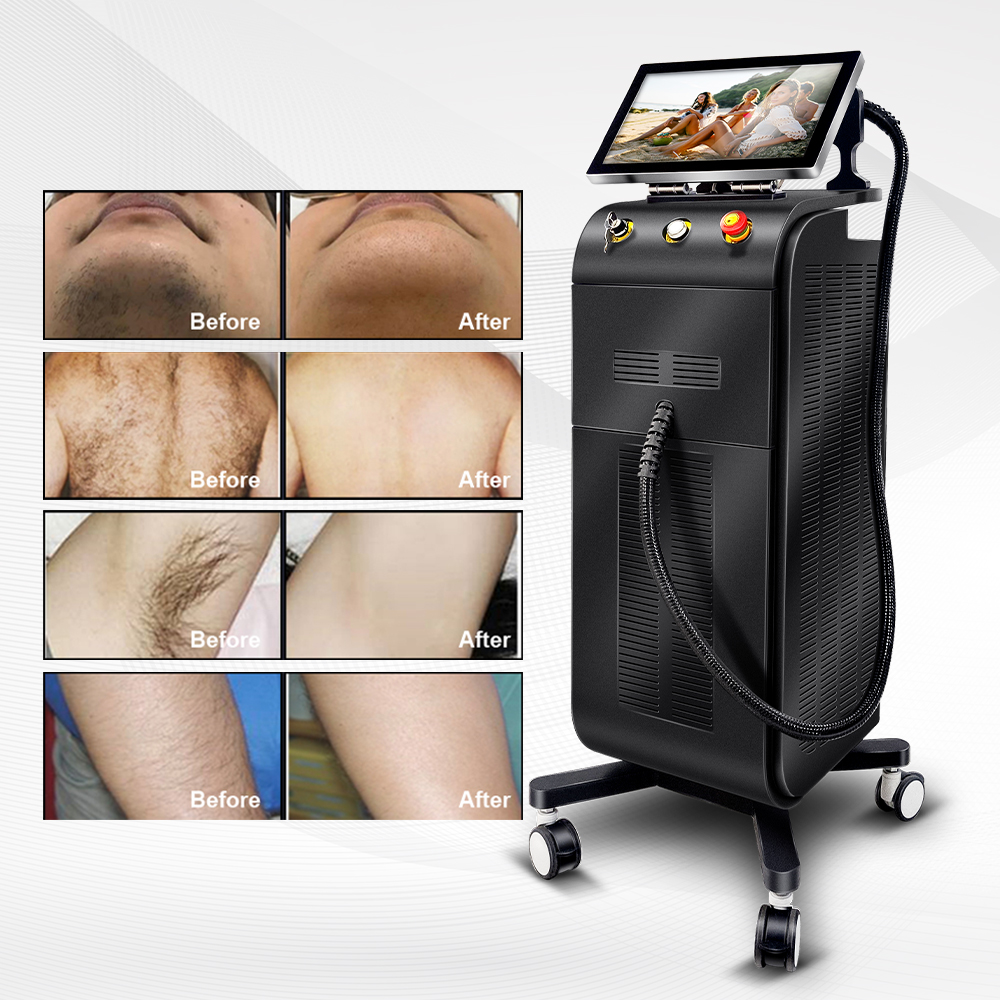
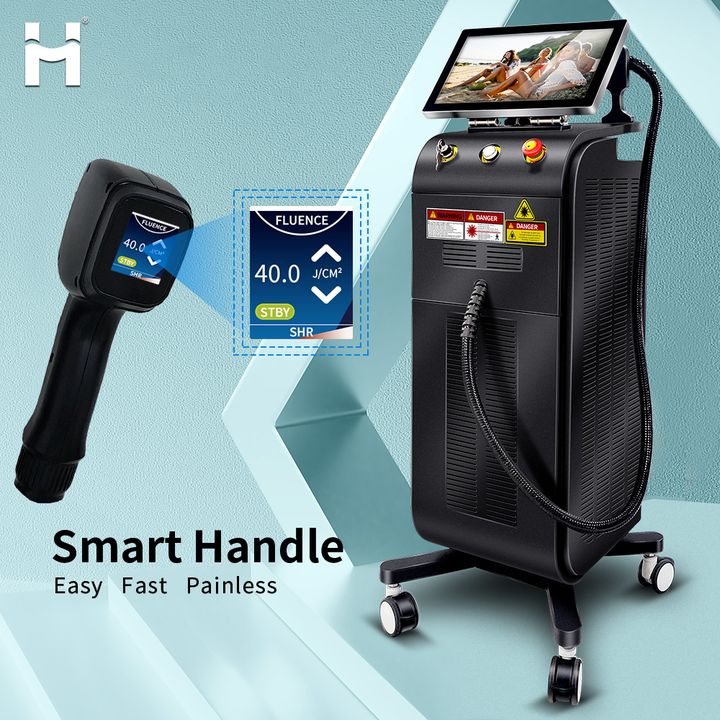
Among mainstream hair‑removal methods such as laser and intense pulsed light (IPL), cooling gel for hair removal is far from an optional accessory. Instead, it plays a vital role in safeguarding safety and optimizing treatment outcomes. Through physical and chemical mechanisms, it forms a protective barrier for the skin, making hair‑removal procedures more comfortable and effective.
Core Functions: More Than Just Cooling
- Immediate cooling for epidermal protection
Local high temperatures are generated during laser or IPL hair removal. Cooling gel rapidly absorbs and dissipates heat, keeping skin‑surface temperature within a safe range (approximately 30‑40 °C). It effectively prevents thermal injuries including burns, redness and blisters, making it particularly suitable for sensitive skin. - Optimized energy transmission for enhanced performance
The optical properties of cooling gel reduce light reflection. This allows energy from hair‑removal devices to target hair follicles (melanin‑rich target tissue) precisely, minimizing energy waste while mitigating epidermal irritation. It delivers dual benefits: powerful hair reduction and gentle skin protection. - Lubrication and soothing to reduce friction
Its gel‑like texture lessens direct friction between the treatment probe and skin for smoother operation. Many formulas incorporate ingredients such as aloe vera and panthenol, which soothe skin post‑treatment and relieve dryness and discomfort.
Proper Selection and Application
Selection Guidelines
- Prioritize safety: Choose reputable branded products free of fragrances, alcohol and irritating preservatives. Perform a patch test for sensitive skin.
- Match your device: Different hair‑removal devices (home‑use IPL devices, clinical laser systems) have distinct requirements for thermal conductivity and light transmittance. Prefer dedicated gel recommended in your device’s official manual.
- Consider additional benefits: Opt for gels containing moisturizing agents (e.g., hyaluronic acid) or soothing extracts (e.g., centella asiatica) to support post‑treatment skin care.
Application Steps
- Skin preparation: Clean the target area with clean water and pat dry to remove moisture and surface oils.
- Even application: Apply a 2‑3 mm thick layer of cooling gel evenly across the treatment area following hair‑growth direction, ensuring full skin coverage.
- Perform hair removal: Operate the device per official instructions. Re‑apply gel promptly if it dries out or heats up during treatment.
- Post‑treatment cleanup: Gently rinse residual gel off with water. Pat skin dry and apply mild moisturizing lotion; avoid direct sun exposure.
Common Misconceptions
- Myth 1: Aloe gel or body lotion can replace professional cooling gel
Aloe gel and body lotion differ significantly in light transmittance and thermal conductivity. They cannot transfer energy properly. Their ingredients may also become irritant under heat, compromising results and risking skin damage. - Myth 2: Thicker gel works better
Excessively thick gel blocks energy penetration and lowers treatment efficiency. Too thin a layer fails to provide sufficient cooling and protection. The optimal thickness is 1‑2 mm. - Myth 3: Cooling gel is unnecessary for home‑use hair‑removal devices
Home‑use devices also generate heat during operation, especially high‑energy models. Cooling gel reduces skin irritation, helps prolong device service life and improves long‑term hair‑removal results.